We use cookies to make this site work. We'd also like to set optional cookies so we can understand how the site is used and improve it. We will not set optional cookies unless you accept them. You can change your choice at any time from the Cookie settings link in the footer.
Strictly necessary cookies
These cookies are required for the site to work. They store your cookie preferences and keep your session secure. They are exempt from consent under PECR Regulation 6(4) because they are essential to deliver the service you have requested.
Optional cookies
Optional cookies help us understand how the site is used and provide additional features such as analytics, accessibility tools and translation. We will only set them if you accept.

Practice News
All the latest news and information from Martello Health Centre and our patient community
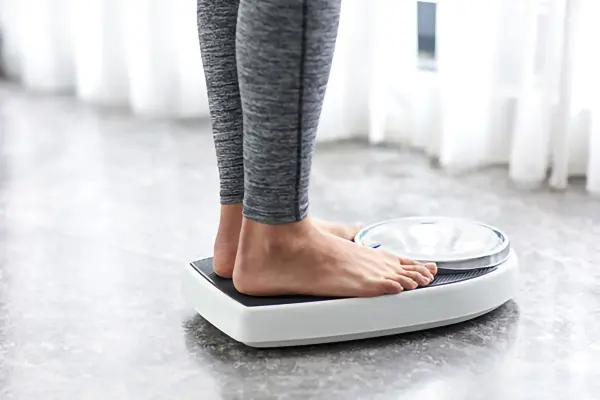 Weight Loss Medication
Eligibility is determined by NHS England. Before contacting the practice, please read the information available. Learn more…
23/09/2026
Weight Loss Medication
Eligibility is determined by NHS England. Before contacting the practice, please read the information available. Learn more…
23/09/2026